
Air Ventilation Grill Types Explained: Which One Is Right for Your Space?
Introduction
Air ventilation grills are essential for managing indoor airflow and improving air quality in residential, commercial, and industrial spaces. They come in various types, including louver grills, linear bar grills, deflection grills, diffusers, and registers, each serving specific functions that impact comfort and efficiency.
Types of Air Ventilation Grills
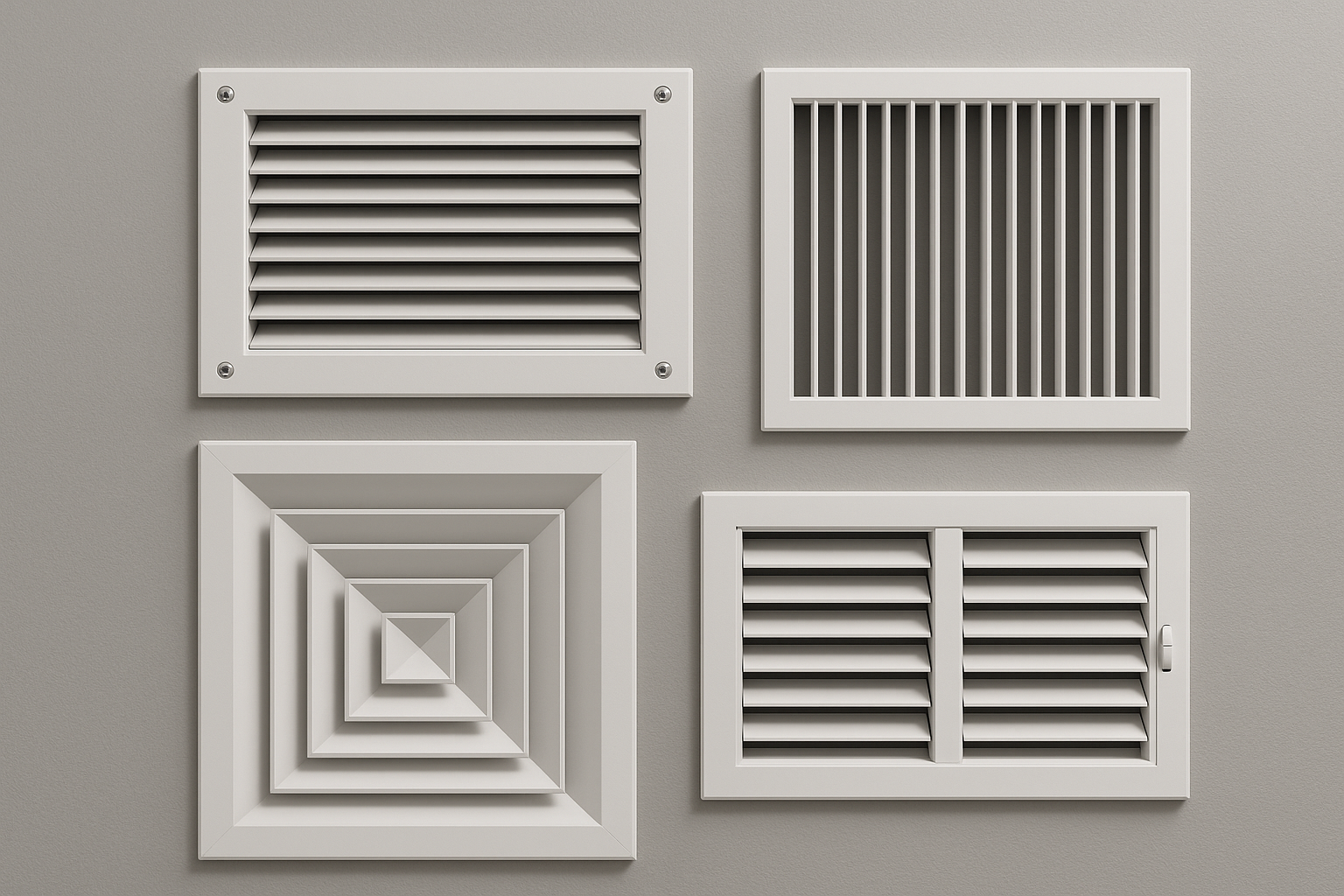
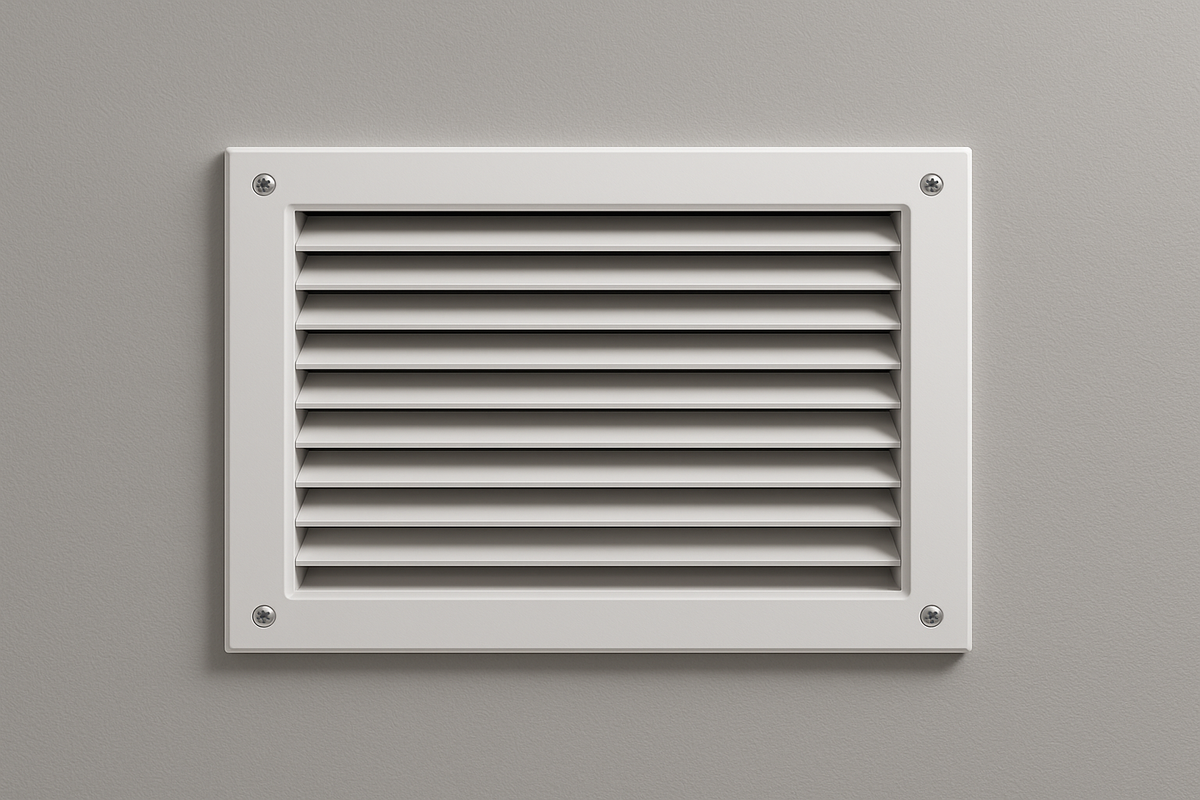
1. Louver Grills: These feature adjustable slats to control airflow direction, making them ideal for both interior and exterior applications.
2. Linear Bar Grills: Popular for their aesthetic appeal, these grills are commonly used in upscale settings and require a return air plenum box for optimal performance.
3. Deflection Grills: These allow both vertical and horizontal airflow control and provide larger free areas for improved efficiency in HVAC systems.
4. Standard Grills: The simplest form of ventilation covers, these have fixed openings for airflow but do not allow directional adjustments.
5. Diffusers: Equipped with multidirectional dampers, diffusers help distribute air evenly and are commonly used over ceiling vents.
6. Registers: Similar to grills but with adjustable dampers, registers are crucial for airflow regulation in heating and cooling systems.
Material Considerations
1. Aluminum: Lightweight, corrosion-resistant, and durable, making it ideal for industrial and residential applications.
2. Plastic: Versatile and paintable but may degrade over time due to discoloration.
3. Wood: Aesthetic and suitable for decorative applications but requires regular maintenance.
4. Metal: Strong and suitable for industrial applications but heavier and more expensive.
Factors to Consider When Choosing Ventilation Grills
1. Location and Environment
Exterior grills must be weather-resistant and durable, while interior grills should withstand humidity, especially in kitchens and bathrooms.
2. Size and Shape
Proper sizing ensures optimal airflow and system efficiency. Floor-mounted grills should have safe opening sizes to prevent tripping hazards.
3. Airflow Optimization
Choosing between return air grills and supply vents is crucial for balancing indoor temperature and ventilation efficiency.
4. Energy Efficiency
Efficient grills contribute to lower energy consumption. Materials like aluminum improve performance due to their corrosion resistance.
5. Maintenance and Longevity
Selecting grills that are easy to clean and maintain improves their durability and ensures optimal indoor air quality.
Impact on Indoor Air Quality (IAQ)
Properly designed ventilation grills contribute to IAQ by facilitating airflow and preventing pollutant accumulation. The EPA highlights that indoor air pollutant levels often exceed outdoor levels, emphasizing the need for effective ventilation.
Key Types of Ventilation Grills for IAQ
1. Supply Grills: Introduce conditioned air from the HVAC system, ensuring even distribution.
2. Return Grills: Extract stale air, maintaining pressure balance and IAQ.
3. Exhaust Grills: Common in kitchens and bathrooms, these remove pollutants, moisture, and odors.
The Role of Filters and Maintenance
High-efficiency filters, such as HEPA filters, capture airborne allergens and pollutants, enhancing IAQ. Regular cleaning and filter replacements are necessary for optimal system performance and health benefits.
Conclusion
Selecting the right air ventilation grill involves assessing location, size, airflow needs, energy efficiency, and maintenance. A well-chosen grill improves airflow, enhances comfort, and ensures superior indoor air quality, making it a vital component of any HVAC system.