
Optimizing Air Circulation: Proper Installation of Wall Ventilation Grills
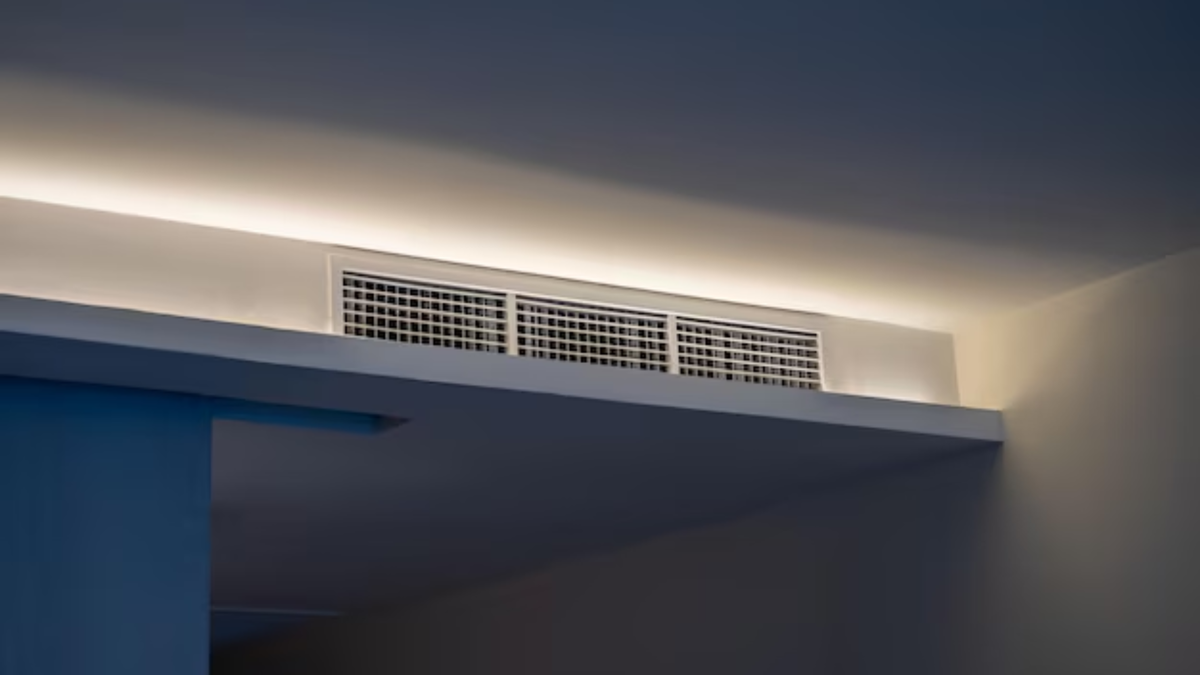
Proper installation of wall ventilation grills is essential for maintaining indoor air quality (IAQ), energy efficiency, and overall comfort in residential and commercial spaces. Improper installation can lead to poor air circulation, increased energy costs, and potential health risks, making best practices crucial for homeowners and contractors.
Types of Wall Ventilation Grills
Wall grills come in various designs, including:
- Standard Grills – General-purpose grills made from metal, plastic, or wood.
- Plastic Grills – Lightweight and customizable but prone to discoloration.
- Metal Grills – Durable, corrosion-resistant, and ideal for high-traffic areas.
- Anemostats – Adjustable grills for precise airflow control.
- Exhaust Grills – Help remove stale air and prevent backdrafts.
- Decorative Grills – Blend aesthetics with functionality.
- Security Grills – Provide added protection against unauthorized access.
Benefits of Proper Installation
- Enhanced Air Quality: Reduces allergens, pollutants, and moisture buildup.
- Energy Savings: Prevents air leaks, reducing HVAC costs by 20-30% annually.
- Compliance & Longevity: Meets building codes and extends system lifespan.
- Improved Comfort: Ensures balanced air distribution and airflow efficiency.
Key Design Considerations
- Proper Placement: Supply grills should be positioned on the floor, while return grills are best placed on ceilings for optimal air circulation.
- Material Selection: Aluminum, steel, plastic, or wood, chosen based on durability and aesthetic needs.
- Regulatory Compliance: Adherence to local building codes for safety and efficiency.
- System Integration: Compatibility with HVAC components for seamless performance.
Installation Guidelines
- Pre-Installation: Inspect materials, clear obstructions, and ensure a safe working environment.
- Tools & Equipment: Measuring tape, drills, cutters, and personal protective gear.
- Installation Process: Precisely mark, cut openings, secure grills, and seal to prevent air leakage.
- Post-Installation Inspection: Verify alignment, test airflow, and remove debris.
Common Mistakes to Avoid
- Incorrect HVAC Sizing: Leads to inefficiency and increased energy consumption.
- Improper Vent Placement: Disrupts airflow and affects room temperature balance.
- Neglecting Maintenance: Clogs and dust buildup reduce efficiency over time.
By following best practices in ventilation grill selection, placement, and installation, individuals can improve air circulation, reduce energy costs, and create healthier indoor environments.